ABA-VB Therapy Explained: Applied Behavior Analysis for Autism
📘 What Is ABA-VB Therapy?
Applied Behavior Analysis (ABA) is a scientific approach to understanding how learning happens and how behavior is influenced by the environment. In autism intervention, ABA focuses on teaching meaningful skills by breaking them down into clear, manageable steps and reinforcing progress systematically.
Verbal Behavior (VB) is a specialized framework within ABA that focuses specifically on language and communication. Verbal Behavior looks at why we use language — such as to request, respond, label, or interact socially.
In ABA-VB therapy, language is treated as a form of behavior that can be taught, strengthened, and generalized. Skills are introduced gradually, practiced consistently, and applied across real-life situations so children can use communication in ways that are functional and meaningful.
This approach is widely used for children with autism because it emphasizes purposeful communication, not just rote responses.

🧩 Why ABA-VB Works for Children with Autism
ABA-VB is effective because it combines scientific structure with individualized teaching. Key elements include:
Individualized goals
Each child’s program is tailored to their current abilities, learning pace, and developmental needs.
Data-driven decision making
Teaching strategies are guided by ongoing data, not guesswork, allowing programs to be adjusted objectively.
Systematic reinforcement
Skills are strengthened through carefully planned reinforcement that supports learning and motivation.
Skill generalization across environments
Children are taught to use skills with different people, in different places, and during everyday activities.
Together, these elements help children build skills that are sustainable, functional, and relevant to daily life.
🧠 What Skills Does ABA-VB Target?
ABA-VB programs typically focus on multiple developmental areas, including:
💬 Communication and language
Requesting needs, responding to questions, expressing ideas, and engaging in conversation.
🤝 Social interaction
Turn-taking, joint attention, cooperative play, and interaction with peers and adults.
📚 Learning readiness
Attention, imitation, following instructions, and readiness for structured learning.
👩🏫 Daily living skills
Self-care routines, independence, and functional life skills.
🧩 Behavioral regulation
Teaching appropriate alternatives to challenging behaviors through functional communication.
These skill areas align closely with many of the challenges families face in everyday life, which is why ABA-VB is commonly used as a core intervention.
Some Examples
| Skill Area | What It Looks Like in Action | Why It Matters |
| Mand (Requesting) | Ask for a cookie when it is wanted | Builds the ability to express needs and wants, reducing frustration and encouraging purposeful communication. |
| Receptive Language | Find the cookie when it is asked for | Strengthens listening and understanding, helping children follow directions and respond to everyday situations. |
| Tact (Labeling & Describing) | Select a cookie when asked: – “What do you eat?” (function) – “What has chocolate chips?” (feature) – “Find the food.” (class) | Expands vocabulary and teaches children how to describe and share what they see, feel, and know. |
| Intraverbal (Conversation) | Answer questions about the cookie even when it’s not present: – “Tell me what you eat.” – “What has chocolate chips?” – “What’s crunchy?” | Develops back-and-forth conversation skills, imagination, and flexible thinking. |
📊 How Progress Is Measured in ABA-VB
Progress in ABA-VB therapy is measured through ongoing and objective data collection.
Therapists record performance during sessions to track how skills are developing over time. This data allows teams to evaluate whether strategies are effective and when adjustments are needed.
Programs are reviewed regularly to ensure goals remain appropriate and achievable.
Common assessment and tracking tools used in ABA-based programs include:
- ABLLS-R
- AFLS
- VB-MAPP
These tools help identify strengths, learning gaps, and next-step goals while supporting consistent, measurable progress.
🔍 How Is ABA-VB Different From Other Therapies?
ABA-VB is often compared with other interventions, and it is commonly used alongside, not instead of, other therapies.
ABA-VB vs Speech Therapy
Speech therapy focuses on speech and articulation, while ABA-VB focuses on the functional use of language across situations.
ABA-VB vs Occupational Therapy (OT)
OT often targets sensory and motor skills, while ABA-VB targets learning, communication, and behavior.
Many children benefit most when ABA-VB is combined with other therapies as part of a coordinated support plan.



🏫 How ARN Applies ABA-VB in Practice
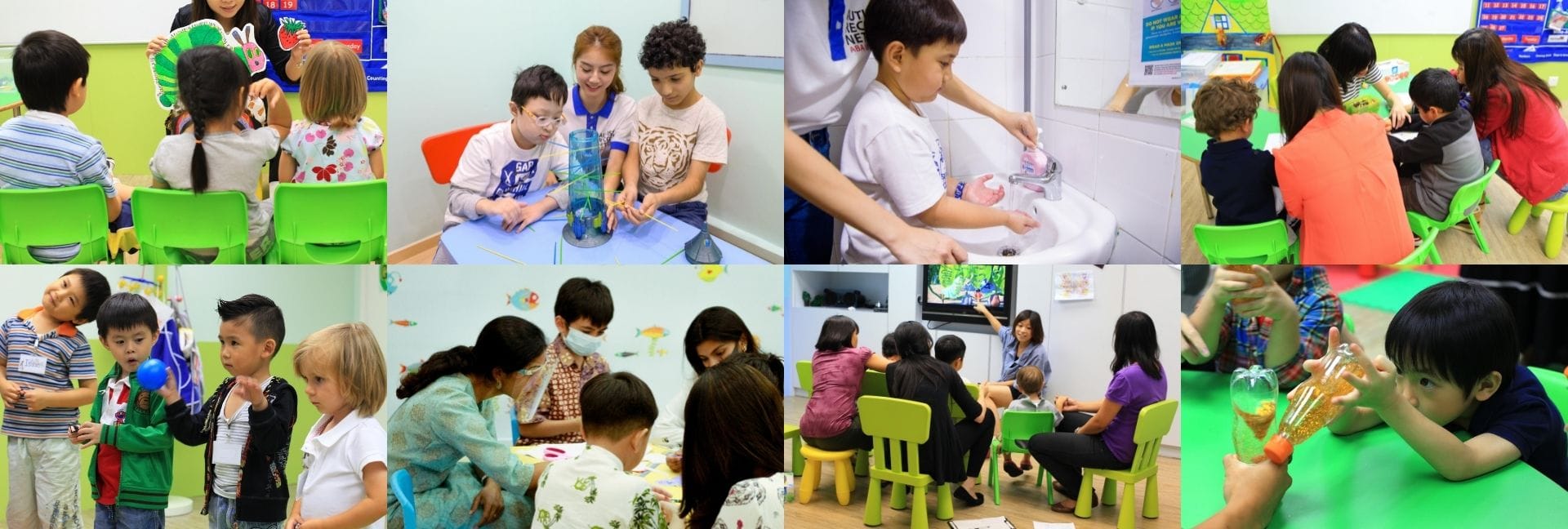
At Autism Recovery Network (ARN), ABA-VB principles are applied through structured, individualized programs designed around each child’s developmental profile.
Programs typically involve:
Individualized learning plans based on assessment results
Therapy delivered by trained ABA professionals
Ongoing supervision by experienced clinicians
Center-based and home-based options, depending on individual needs
ARN focuses on practical skill development, consistent progress monitoring, and collaboration with families to support meaningful outcomes.

❓ Frequently Asked Questions About ABA-VB
Applied Behavior Analysis (ABA) is not an experimental treatment. It is one of the most extensively researched and evidence-based approaches used to support individuals with autism.
ABA-based interventions have been studied for decades and are widely recognized by medical, educational, and professional organizations worldwide. The principles of ABA are grounded in behavioral science and focus on observable, measurable learning outcomes.
ABA-VB (Applied Behavior Analysis with Verbal Behavior) is a specialized application of ABA that focuses specifically on the development of meaningful communication.
ABA therapy does not rely on bribing children. Instead, it uses positive reinforcement in a structured and ethical way to support learning.
At the beginning, therapists may use items or activities that naturally motivate a child. Over time, these are gradually paired with social reinforcement such as praise, shared interaction, and successful communication.
The goal is for children to learn skills because they are useful and meaningful, not because of external rewards.
While ABA-VB is most commonly associated with autism intervention, the principles of ABA are broadly applicable to learning and behavior.
ABA-based strategies may also be used to support individuals with developmental delays, communication challenges, or skill acquisition difficulties in other contexts. However, how ABA is applied depends on individual needs, goals, and professional guidance.
ABA-VB therapy may benefit children who experience challenges with communication, social interaction, learning readiness, or daily living skills.
It is commonly used for children with autism spectrum disorder, including children who are non-verbal or minimally verbal. Suitability is typically determined through professional assessment, considering the child’s developmental profile rather than age alone.
This includes children previously described with Asperger’s Syndrome, now understood as part of the autism spectrum. Learn how Asperger’s Syndrome relates to Autism Spectrum Disorder.
There is no fixed duration for ABA-VB therapy. The length of support depends on factors such as a child’s learning needs, goals, and rate of progress.
ABA-VB programs are typically reviewed on an ongoing basis, with goals adjusted as skills develop. Some children may require longer-term support, while others may transition to different forms of intervention over time.
ABA-VB therapy is designed to be individualized and developmentally appropriate.
Intensity and teaching pace are adjusted based on a child’s tolerance, motivation, and learning style. Sessions are structured to balance learning with engagement, ensuring children are supported without being overwhelmed.
Quality ABA-VB programs prioritize a child’s well-being, emotional safety, and readiness to learn.
In ABA-VB, challenging behaviors are viewed as a form of communication.
Therapists work to understand why a behavior occurs and then teach more appropriate, functional alternatives. For example, a child may be taught to request help or express discomfort instead of engaging in behaviors that interfere with learning.
The focus is on skill development, prevention, and positive support rather than punishment.
The ABLLS-R (Assessment of Basic Language and Learning Skills – Revised) is commonly used for young children but can also be appropriate for older children depending on developmental level.
It is designed to assess functional skills rather than age-based academic performance, making it useful across a wide range of ages when evaluating learning and communication abilities.
