Every child learns differently. For children with autism and other developmental delays, progress may happen in smaller steps, over a longer period of time, and in ways that may look different from typically developing children. However, meaningful learning is not only about mastering skills during therapy sessions, it is about being able to use those skills naturally in everyday life.
This is where Natural Environment Teaching (NET) becomes an important part of learning.
 What Is Natural Environment Teaching (NET)?
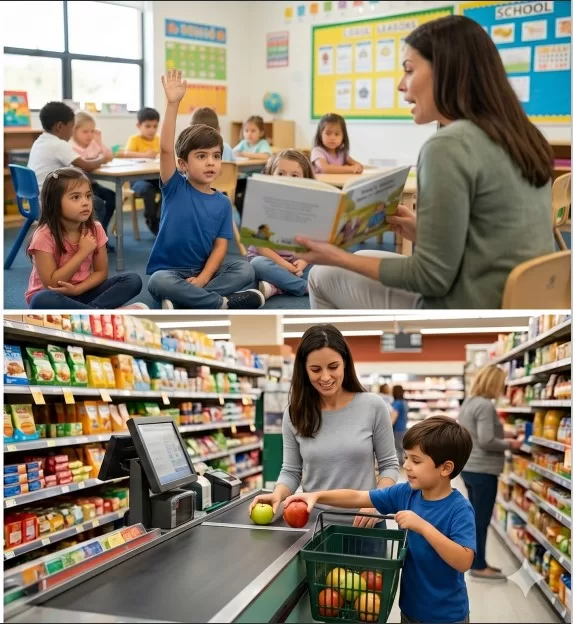
At our ABA-VB sessions, we focus on NET because children learn best when skills are taught in real-life situations that are meaningful, motivating, and connected to their daily routines. Instead of learning only at a table with flashcards or structured drills, it encourages children to practice communication and functional skills during play, meals, dressing, community outings, and interactions with family members.
Why Generalization Matters?
For many children with developmental delays, a skill learned in one setting does not automatically transfer to another setting. A child may correctly identify a spoon during therapy but may not recognize or ask for a spoon during mealtime at home. This is why generalization is an essential goal in intervention.
Natural Environment Teaching helps children use skills across different settings (e.g. home, school, playground, grocery store), people (e.g. parents, siblings, teachers, grandparents, peers), materials (e.g. toys, household items, books, real objects) and situations and routines throughout the day. The goal is not simply memorization. The goal is meaningful and functional use of skills.
Real-Life Progress Through NET
For example, before therapy, one student could only label items when seated at a table with four picture cards presented in front of him. He learned to answer correctly within that structured setup, but the skill did not yet extend to real life. Because of ABA-VB training with strong emphasis on Natural Environment Teaching, he can now independently identify everyday items in various rooms around the house, even when the objects are not directly in front of him. During daily routines, he can respond to questions such as: “Where do we keep the plates?”, “Get your shoes from your room.”, “What do we use to brush our teeth?” These may seem like simple tasks, but they reflect a major developmental milestone as the child is now understanding and using language functionally in natural contexts.
The Importance of Motivation in Learning
One important part of NET is motivation. Children are more likely to learn and remember skills when the activity is meaningful and enjoyable to them. A child who loves snacks may be encouraged to request food items during snack time. A child interested in cars may learn colors, actions, and turn-taking while playing with toy vehicles. Learning becomes more natural because it happens during activities the child already enjoys.
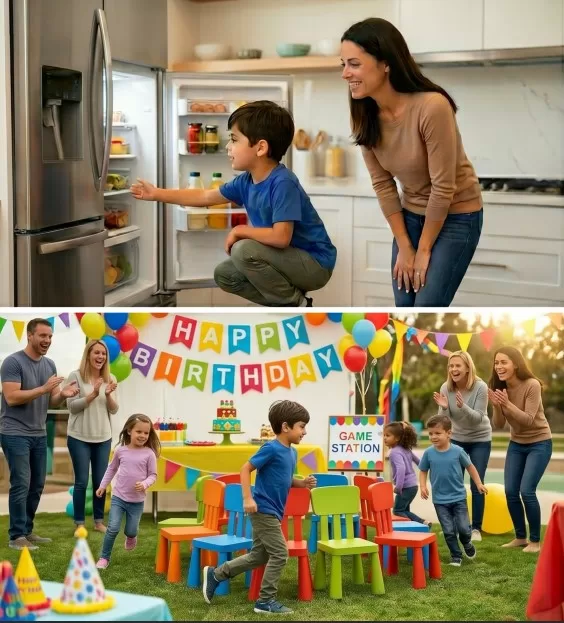
Parents play a very important role in Natural Environment Teaching because the best learning opportunities happen throughout the day at home and in the community. Everyday routines can become valuable teaching moments such as asking the child to help find household items, encouraging requests during meals, naming objects during grocery shopping, practicing greetings with neighbors and relatives and following simple instructions during playtime. These small interactions, repeated consistently, help children build confidence and independence.
Progress Looks Different for Every Child
It is also important to remember that learning milestones for special children may not follow the same timeline as other children. Progress should not only be measured by academic performance or how quickly a child answers during therapy. True progress happens when a child can use learned skills naturally, independently, and meaningfully in real life.
Natural Environment Teaching supports this kind of growth by helping children connect learning to the people, places, materials, and situations they experience every day. Over time, these meaningful experiences help children become more engaged, communicative, and independent in their daily lives.
Every small step matters, and every functional skill learned in a natural environment becomes a bridge toward greater participation in the world around them.
By: Janice De Leon, RBT
