Programs for Teenagers and Young Adults
Two ways ARN supports teens: a small-group social & life skills class, and individualised 1:1 therapy built on the AFLS
🔹 Which route fits your teen?
The teenage years are when the gap between “coping in class” and “coping in life” becomes visible. This page compares the Real-World Ready group format with ARN’s individualised 1:1 support for teens and young adults. ARN’s 1:1 service supports individuals up to age 25; the group programme has separate eligibility and arrangements.
| Real-World Ready (group) | 1:1 Independence Program (AFLS) | |
|---|---|---|
| Best for | High-functioning teens in mainstream school who find friendships, group work, flexibility or organisation hard | Teens and young adults who need more individual support to build daily-living, communication, community and work skills |
| Format | Small group, 1 therapist : 2 students, 90 minutes, 1–2×/week | One-to-one, individually planned, 2.5–3 hours per session, depending on location and individual arrangements. |
| Assessment | None — first class is an informal placement check | AFLS skills assessment first, then an individual programme |
| Language | English, with Cantonese support | English / Cantonese / Mandarin |
| How to start | Book a trial class | Book a free 30-minute consultation |
How to get started on either route
✅ Real-World Ready (group): no intake assessment and no consultation needed. Book a trial class (HK$950) — it counts toward a Level if you enrol within 7 days, and the first class doubles as an informal placement check.
✅ 1:1 Independence Program (AFLS): book a free 30-minute parent consultation. We then run an AFLS skills assessment and build an individual programme from it.
✅ Both start from the same place: contact us and tell us which route you are interested in — or ask us to recommend one.
🔹 Real-World Ready: Social & Life Skills Program (group)
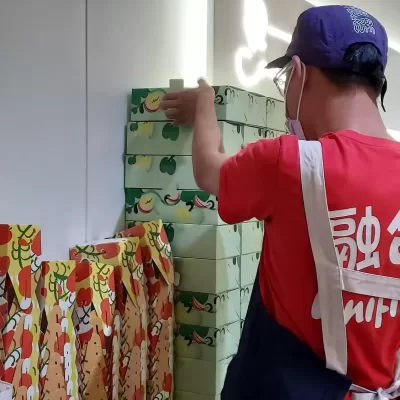
Your child manages the classroom. It is the corridor, the group project and the lunch table that are hard. Real-World Ready is a small-group class for children and teenagers aged 9–18 who are in mainstream school but find peer interaction, group participation, flexible thinking or independence a struggle. No diagnosis is required. Over four 12-week Levels they practise the skills school does not teach — in a group of two, with a therapist, in English.
- Class size:
- 1 therapist : 2 students (Levels 1–3)
- 1 : 3 (Level 4)
- Session:
- 90 minutes
- 1–2 classes a week
- Structure:
- 4 Levels × 12 weeks
- Foundations → Functional Skills → Independence → Real-World Readiness.
- Join at the start of any Level; children move up when ready, not on a fixed date.
- Schedule:
- weekday after-school 4:30–6:00 pm (day set per cohort)
- Saturday 10:30 am–12:00 pm
- Fees:
- HK$950 per 90-minute class. Please ask our team which group or prepayment discounts, if any, apply to your booking.
🔹 1:1 Independence Program for Teens and Young Adults (AFLS)
The AFLS (Assessment of Functional Living Skills) is the assessment tool we use for older learners — the counterpart of the ABLLS-R we use for younger children. It maps what your teen can already do across daily living, community, vocational and social skills, and the individual programme is built from that map.
Building independence with the AFLS. At ARN we know the teenage and young adult years are a critical time for growth and independence. Using the AFLS, we design individualised programmes — including vocational training — that teach practical, real-world independent living skills, so teens and young adults with autism and related needs can thrive at school, at home, in the community and eventually in the workplace. The programme is guided by evidence-based ABA strategies, delivered in a way that feels meaningful, motivating and achievable.
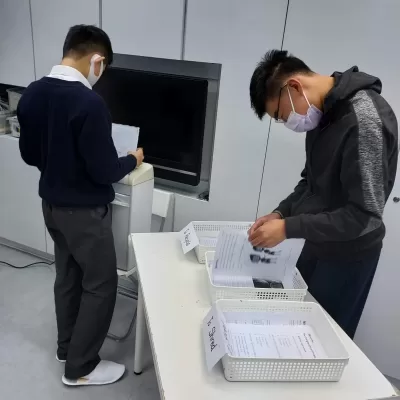
What the programme targets (AFLS domains):
- 🏡 Daily Living Skills: cooking simple meals, cleaning routines, laundry, personal hygiene
- 💬 Communication: ordering food in a café, making phone calls, emailing, conversational skills
- 🤝 Social Skills: friendships, teamwork, conflict resolution, understanding social expectations
- 💼 Vocational Skills: following instructions, task completion, workplace routines, volunteering experiences
- 🚍 Community Participation: taking public transport, shopping, visiting banks, museums and fitness centres
- 🧠 Self-Management: problem-solving, managing time, self-regulation, goal-setting
How we teach: sessions combine structured teaching with natural environment learning.
- 📹 Video modelling: teens watch short clips of real scenarios (e.g. greeting a shop assistant) and then practise.
- 🎲 Role play & simulation: practising job interviews, making purchases or handling daily challenges.
- 📸 Photo schedules & visual supports: step-by-step picture guides for cooking, using transport or managing money.
- 🤝 Peer interaction: typically developing peers and group activities for natural social practice.
- 🌈 Community outings: hands-on practice in supermarkets, restaurants, parks, libraries and on public transport.
Why choose ARN’s 1:1 route, and how it works
✅ Over 20 years of ABA experience in Hong Kong
✅ A structured yet flexible framework tailored to each student’s needs
✅ A strong balance of skill-building + real-life application
✅ Parent and professional collaboration every step of the way
This route follows ARN’s standard 1:1 model: a skills assessment first, an individual programme built over the first month, a copy of the plan for you, weekly reports and monthly supervision. See how 1:1 ABA-VB therapy works.
Not sure which route fits?
Book a free 30-minute parent consultation and we will recommend one — or book a Real-World Ready trial class directly if you already know the group format is right.
